
Some people travel to explore beautiful locations, while others travel to escape noise, pressure, and the feeling that every minute already belongs to something else. A mountain cabin can deliver that relief in a way other stays often can’t. When done well, it can create the exact conditions that make mountain cabin rentals truly relaxing.
Privacy Changes the Way a Stay Feels
Relaxation usually begins with privacy. Guests settle faster when they’re not moving through crowded hallways, hearing doors slam, or feeling like every quiet moment is still happening in public. A cabin gives them enough separation to stop monitoring themselves.
That shift matters more than it sounds. People rest differently when a space feels like it’s fully theirs for the weekend. They make coffee when they want, sit in silence without explanation, and let the day unfold without performing for anyone else.
Privacy also changes the emotional pace of the trip. Instead of reacting to the energy of a shared property, guests can create their own rhythm from the start. That’s often the first signal that they’ve truly left everyday life behind.
The Landscape Does Real Work
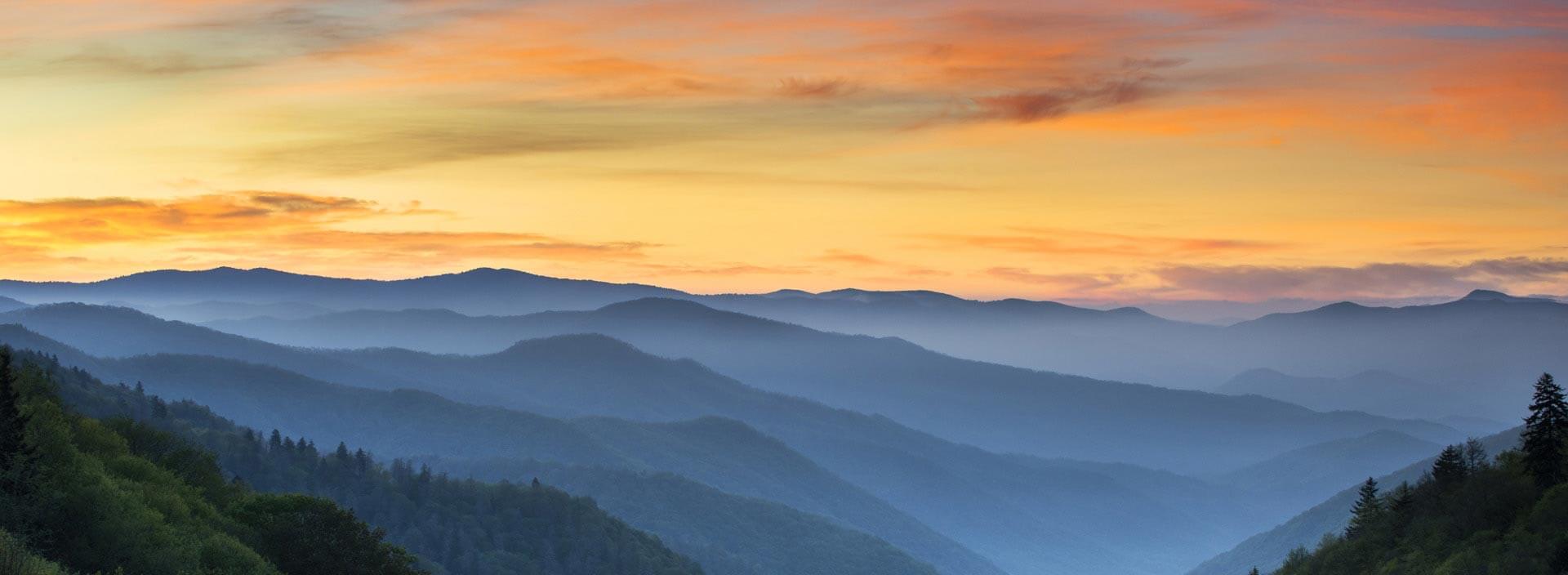
Mountain views aren’t relaxing just because they’re beautiful. They help pull attention away from the mental clutter people carry into a trip. Looking at ridgelines, weather moving across the trees, or morning fog lifting off the hills gives the mind something steady to rest on.
That’s one reason mountain stays feel different from busier destinations. The setting doesn’t crowd the guest with stimulation. It opens things up and makes stillness feel normal rather than unproductive.
A good cabin understands that the landscape is part of the experience. It frames the view, invites guests outside, and leaves room for the mountains to set the tone.
Comfort Should Never Announce Itself
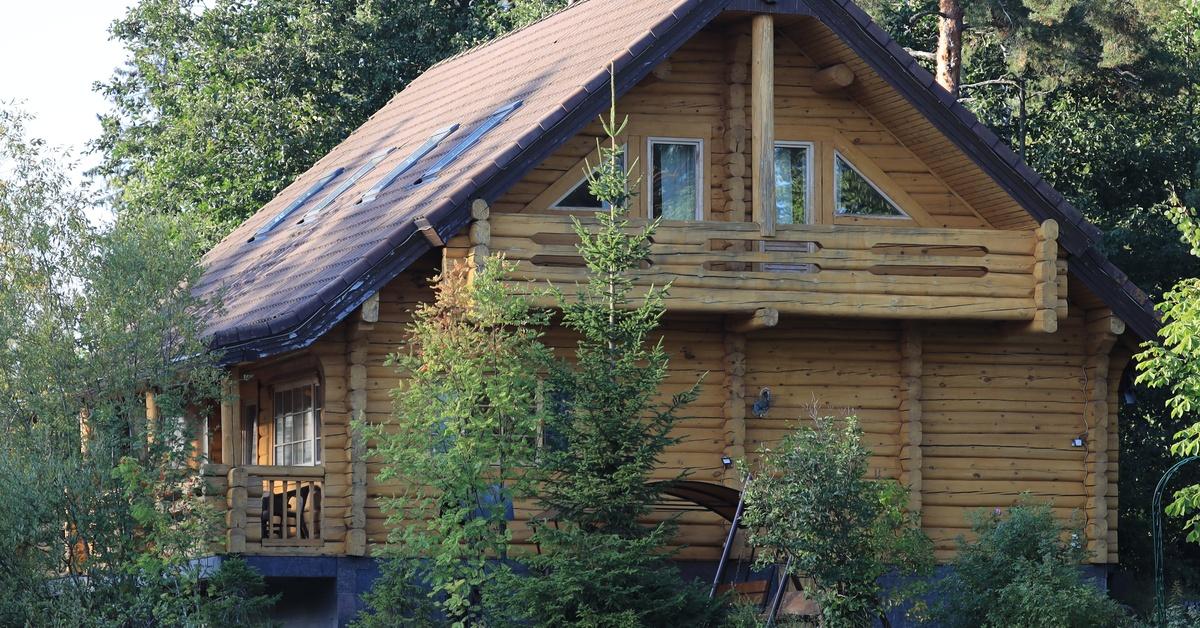
The most relaxing cabins don’t feel impressive in a fussy way. They feel easy. Guests shouldn’t have to wrestle with an awkward layout, sit on furniture that looks better than it feels, or fight through small frustrations just to settle in.
True comfort works quietly. The bed supports real sleep, the living room invites people to stay put, and the kitchen makes a slow breakfast feel simple instead of inconvenient. When those basics work, guests stop thinking about the property and start enjoying it.
That’s what many rentals miss. They focus on visual charm and forget that comfort is what determines whether a stay restores someone or merely photographs well.
Quiet That Feels Restorative
Silence in the mountains has texture. It isn’t the blank quiet of an empty room. It carries the sound of wind through trees, rain on the roof, and the kind of stillness that makes people realize how much noise they normally absorb.
That matters because most people live with constant low-level stimulation. Even when they tune it out, traffic, alerts, and surrounding activity keep the body slightly alert. A mountain cabin interrupts that pattern, giving the nervous system a chance to settle.
Guests often first notice the effect at night. Sleep comes easier, the mind slows down, and the usual background tension begins to loosen. That kind of rest is hard to manufacture anywhere else.
Nature Without a To-Do List
One of the best things that makes mountain cabin rental so relaxing is that nature doesn’t run on a schedule. Guests can experience it from the porch, the hot tub, or the couch with the curtains open. The outdoors stays present even when the day stays quiet.
That removes a kind of pressure many vacations create. People don’t have to turn every beautiful setting into an activity in order to justify the trip. They can go hiking if they want to, but they can also let the landscape come to them.
That flexibility makes the stay feel more restorative. Instead of chasing the experience, guests can absorb it at their own pace. The cabin becomes a place where nature feels immediate rather than staged.
Freedom From Someone Else’s Schedule
A lot of travel still runs on external timing. Hotel breakfasts close early, public amenities fill up, and dinner reservations start controlling the evening before it even begins. Even enjoyable trips can feel like they’re asking guests to keep up.
Cabin rentals are more relaxing because they return control to the guest. People can wake up late, make lunch at two, and decide on the spot whether the afternoon calls for a trail walk or a nap. That freedom creates a softer kind of luxury than many upscale stays ever manage.
It also changes how time feels. Hours stop being blocks that need to be optimized and start feeling open again. For guests who spend most of the year on a clock, that shift can be the most restorative part of the trip.
Space for Small Rituals
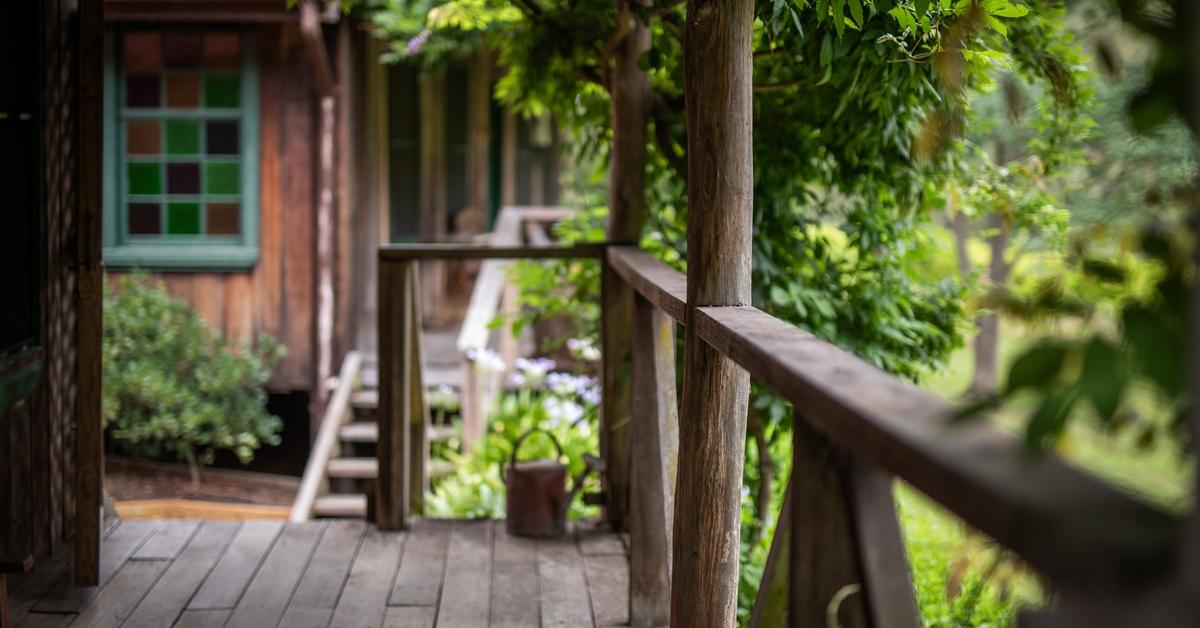
The most memorable parts of a cabin stay are often the simplest ones. A slow morning with coffee on the deck, a book by the fire after dinner, or a few quiet minutes outside before bed can shape the whole trip. Those moments feel meaningful because the setting gives them room to breathe.
Mountain cabins are especially good at making ordinary routines feel restorative. The pace is slower, the environment is calmer, and there’s less pressure to move on to the next thing. That lets guests enjoy the kind of rituals they usually rush through at home.
This is the point where real relaxation becomes visible. It’s not just about scenery or amenities. It’s about a place changing how someone moves through the day.
Design That Feels Rooted
The best secluded cabin rentals feel grounded in their surroundings. They don’t look like generic vacation rentals with a few rustic details tacked on. They reflect the setting in a way that makes the stay feel more immersive.
That usually comes from restraint. Warm materials, thoughtful lighting, and windows placed to capture the landscape do more than trendy decor ever could. Good design supports the mood without asking guests to notice it constantly.
When a cabin feels rooted, guests trust it faster. The space feels coherent, calm, and believable. That sense of fit makes it easier to settle in and harder to imagine being anywhere else.
Togetherness That Still Leaves Room
Mountain cabins also succeed because they support different kinds of rest at the same time. Couples can enjoy privacy that feels intimate, while families can share a common space without feeling boxed in. Everyone gets enough room to relax in their own way.
That balance changes the quality of time together. People can cook, read, talk, or simply sit in the same room without the setting demanding constant interaction. The stay feels calmer because the connection happens naturally.
A truly relaxing mountain cabin doesn’t just offer a scenic place to sleep. It removes pressure, softens the pace, and gives people the kind of space that lets them feel like themselves again.