
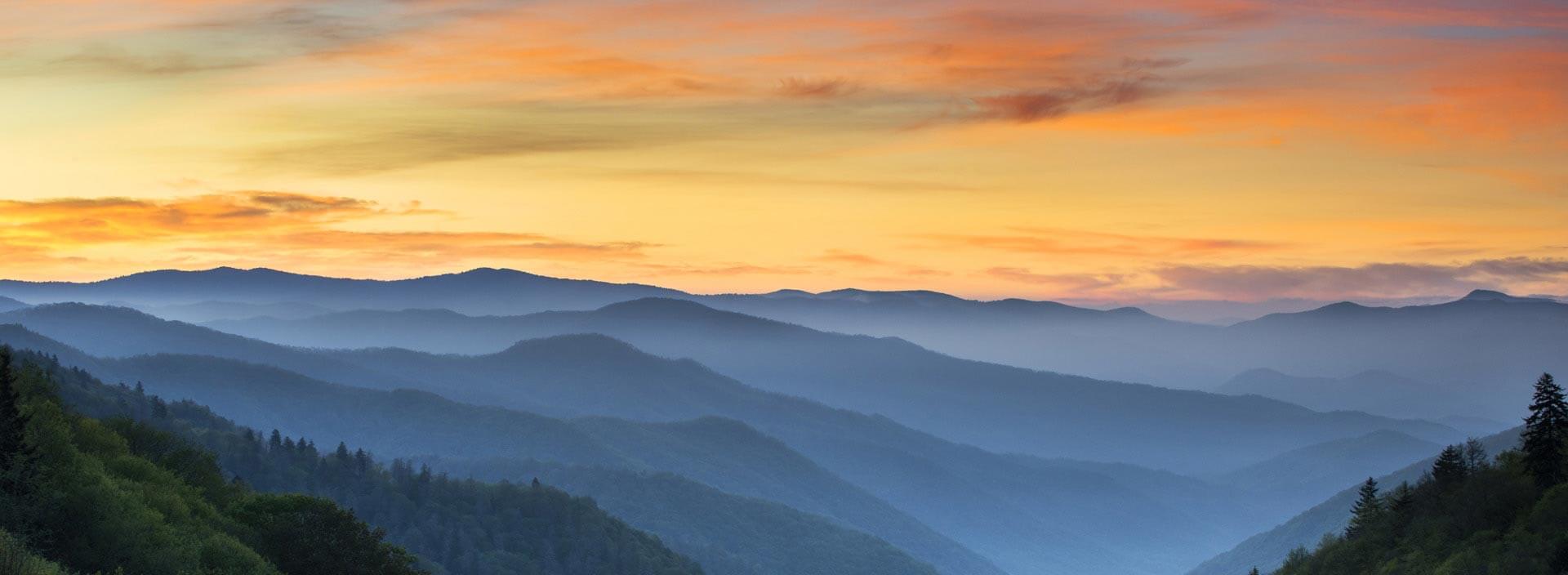
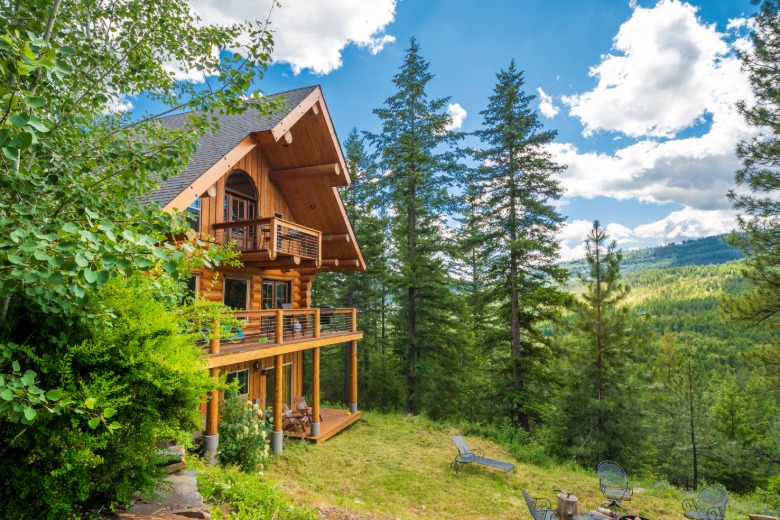
A good vacation gives people room to step away from their usual pace. Whether the trip lasts a weekend or a full week, the goal is usually the same: feel refreshed, spend time somewhere different, and enjoy the setting without rushing through it. In the mountains, that sense of escape matters even more because the surroundings are such a big part of the experience.
That’s why the place guests choose to stay can shape the entire trip. Hotels can cover the basics, especially for quick visits. But when travelers compare mountain cabins to hotels, they often find that cabins offer a better way to stay.
More Space To Settle In
A hotel room usually provides guests with a single space for the entire stay. People sleep there and keep their bags there, but that’s about all they can do. Even a nice room can start to feel tight when the trip lasts more than a night.
A cabin gives the stay more breathing room. Guests can spread out and utilize rooms and features that most hotels can’t accommodate. Mountain cabins also allow for easy outdoor access in a more serene environment.
This extra space changes the way people travel together. Families don’t have to crowd around beds when they want to talk. Couples can enjoy a slower evening without feeling boxed into one small room. A cabin supports the whole trip rather than only the hours spent sleeping.
Privacy Feels Different In The Mountains
Hotels place guests close to strangers. Doors open and close throughout the night, and footsteps pass by regularly. Shared spaces keep the building active, which can make it harder to relax.
A cabin creates more distance from that kind of constant movement. Guests can wake up in peace and make coffee at their own pace. The stay feels more personal because fewer outside interruptions shape the day.
Cabins Bring The Destination Closer
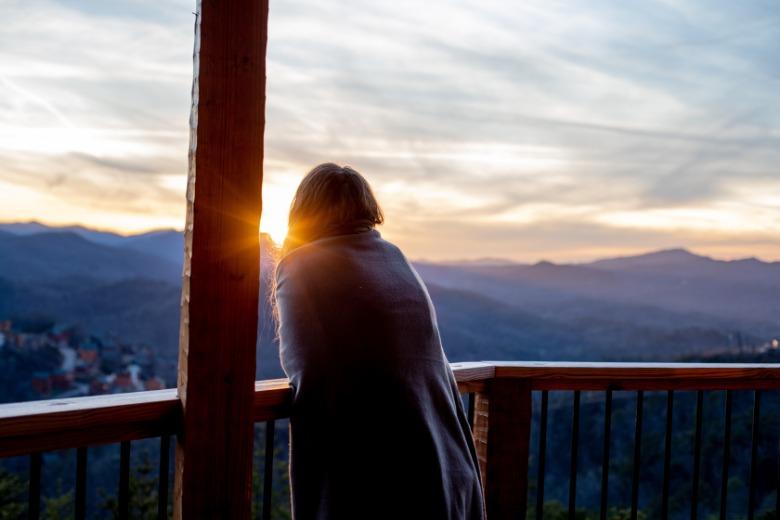
A hotel can sit near the mountains or even in them at times, but they never truly feel like they’re a part of them. Guests might see the view from a window, but most experiences will begin after they leave the room. That’s because larger buildings always have trouble integrating into their surroundings.
Cabins make the landscape part of daily life. They’re deeply integrated into their environments, giving guests views that can make a quiet afternoon feel more memorable. The mountains aren’t just a backdrop; they’re a part of the experience.
The best part of this is that guests don’t need a packed schedule to feel like they’re experiencing the destination. The cabin itself helps the trip feel rooted in the place.
A Better Fit For Longer Stays
Hotels can suit short visits because they focus on convenience. For longer trips, the limits become more noticeable. Guests may need more storage if they plan to be there for a while. They may also want a better place to cook and sit down to eat.
Cabins make longer stays easier by supporting normal routines that most hotels can’t offer. Guests can fully unpack with less hassle. They can keep outdoor gear out of their sleeping area. Most importantly, though, they can settle into the stay without feeling temporary the whole time.
Many travelers choose mountain cabin rentals because they want comfort with a stronger sense of place for their longer trips. Obviously, they’re still great for weekend getaways, but there’s no denying that a cabin is the best option for week-long vacations.
More Comfort After A Full Day Outside
Mountain trips often involve multiple days of fun outdoor activities. Guests may hike a challenging trail or spend hours exploring scenic landscapes. By the time they get back, they usually want more than a bed and a bathroom.
A cabin makes the return part of the day feel better. Guests can stretch out in a living room instead of sitting on the edge of a bed or enjoy the evening outside before turning in. The lodging becomes part of the experience rather than a place to recover before the next planned event.
Hotels can make downtime feel more transitional. Guests tend to feel like they’re just waiting between activities. In a cabin, the quiet hours can become some of the best parts of the trip.
Kitchens Change The Travel Experience
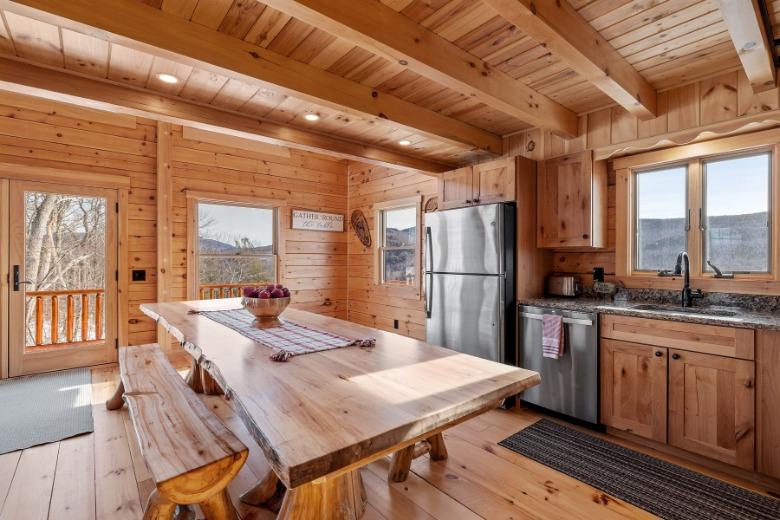
Eating out can be enjoyable, but doing it for every meal loses its appeal fast. Hotel rooms rarely make mealtime easy. Even a complimentary breakfast can feel rushed when trying to get there before it shuts down for the day.
A cabin kitchen gives guests more control. They allow guests to make breakfast whenever they want before heading out. They’re also available for preparing a simple dinner for nights spent in. Having a place to store refrigerated snacks can also be invaluable for some families and couples.
That flexibility helps the trip feel less scheduled. It also creates small moments that hotels rarely offer. A shared meal in a cabin can feel more relaxed than a table claimed in a crowded restaurant.
Cabins Make Group Travel Easier
Large group travel can expose the limits of hotel stays quickly. Separate rooms split people apart. If you dare to try to fit everyone into a single room, it can make even close friends start to feel uncomfortable after a day or two.
A cabin gives the group a better home base. People can gather in a common area without sitting on beds. When someone needs quiet, the layout gives them a better chance to step away.
This setup works well for families and friend groups who want time together without constant compromise. The space supports connection in a more natural way. Instead of meeting in a lobby, guests can relax where they’re already staying.
The Stay Becomes Part Of The Memory
Travelers often remember where they stayed as much as what they did. A cabin can become part of the story by offering guests more moments tied to the setting. The first coffee on the porch may last in memory longer than a rushed breakfast in the lobby.
Hotel rooms tend to feel more interchangeable. Even clean and comfortable rooms often follow a familiar pattern from one destination to the next. Cabins offer more character because they’re more unique and belong more closely to the mountains around them.
That character doesn’t have to feel rustic or remote either. A cabin can offer modern comfort while still giving guests a stronger sense of place. For travelers who want the mountains to shape the whole stay, a cabin offers a better fit from the get-go.
Hotels Still Have A Place
Even though our focus was primarily on how mountain cabins are a better way to stay, hotels aren’t the wrong choice for every trip. They can make sense for business stays or a one-night stop. Some travelers also prefer front desk service during their trips.
Mountain travel often asks for something more personal. Guests usually come for scenery and quiet. A standard hotel room may not support that goal as well as a cabin does, but it gives guests exactly what they need: a place to lie down for the night. The difference simply comes down to what the guests are looking to get out of the place they decide to stay.